Inflammatory Heart Conditions
What is it?
Inflammatory heart conditions are associated with the body’s immune system becoming activated and damaging the heart.
This “inflammation” can affect any part of the heart, including the heart muscle (myocarditis) or the heart lining (pericarditis).


What causes it?
Inflammatory heart conditions are relatively common and can be associated with infections, such as by viruses or bacteria, leading to heart damage.
In some patients, the immune system attacks the body itself (autoimmune conditions) or form clumps of cells known as "granuloma" (cardiac sarcoidosis); these processes can damage the heart.
Certain drugs, such as some newer anti-cancer drugs, may also increase the risk.
What are the symptoms and signs?
Patients may develop chest pains, breathlessness or palpitations ("racing heart"). Tiredness is also common.
Patients can develop swollen ankles if the heart fails to pump properly.
Sometimes patients can develop heart rhythm distrubances which may lead to dizziness or blackouts.

How is it diagnosed?
The diagnosis requires clinical assessment by a specialist.
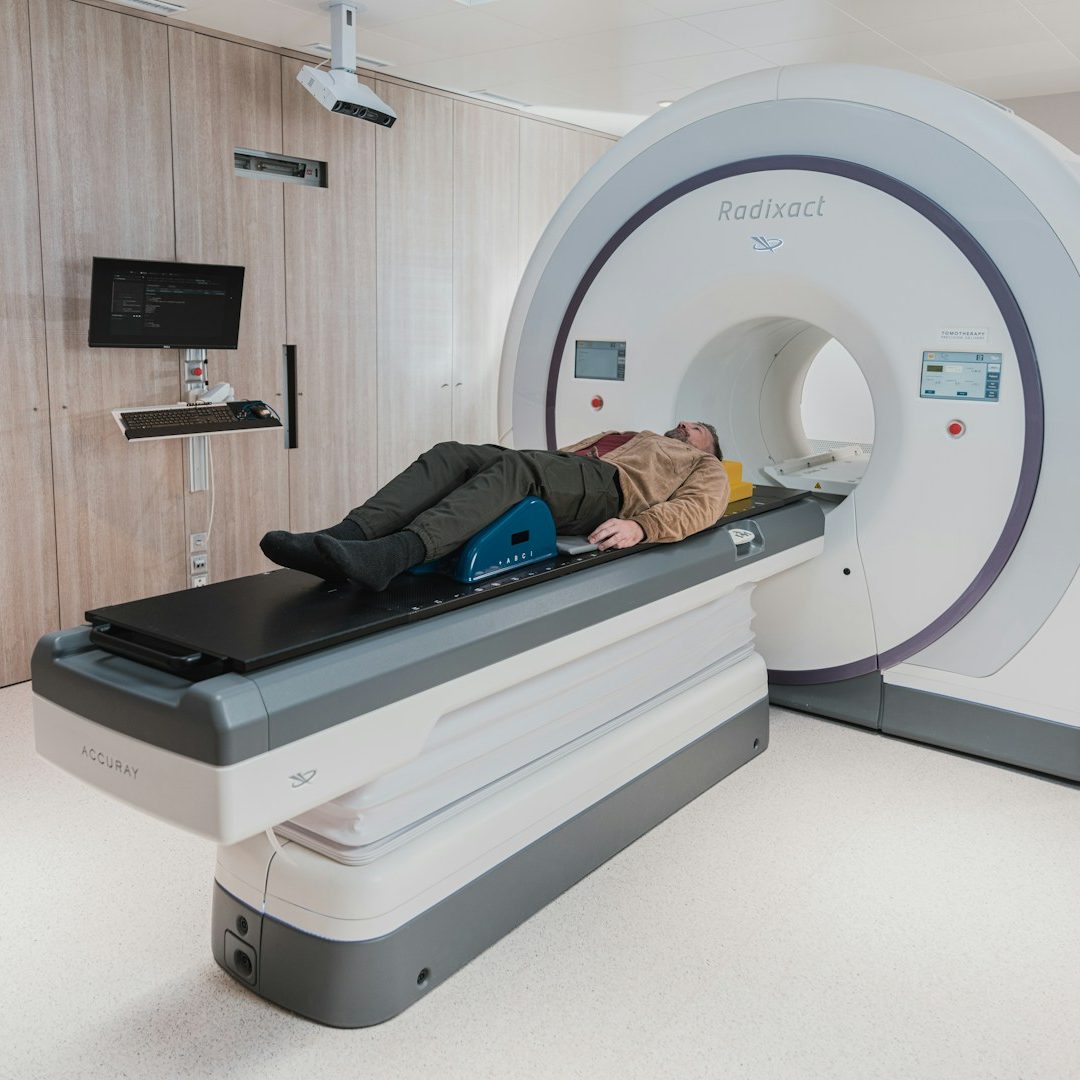
Advanced cardiac imaging is often necessary to gain a deeper understanding of the heart.
Cardiac MRI, CT and sometimes PET scans can help the specialist in providing an accurate diagnosis.
How is it treated?
Treatment depends on the cause and requires specialist input. There is no "one size fits all" and each patient requires personalised attention and care.